Canary Wharf removals insider tips for high rise flats E14
Posted on 19/06/2026

Moving out of a high-rise flat in Canary Wharf sounds straightforward until you are staring at a service lift booking, a concierge desk, a narrow hallway, and boxes that somehow got heavier overnight. That is where Canary Wharf removals insider tips for high rise flats E14 make a real difference. The buildings look sleek, the views are brilliant, but the logistics can be a bit fussy. Truth be told, that is normal in Docklands.
This guide is for anyone planning a flat move in E14 and wants fewer surprises, less stress, and a cleaner handover. We will cover what actually matters in tall buildings, how to work around lift and access rules, what to prepare before move day, and the small decisions that save time. You will also find a practical checklist, a real-world example, and a few links to useful pages on flat removals in Docklands and packing and boxes guidance if you want more support.
Why Canary Wharf removals insider tips for high rise flats E14 Matters
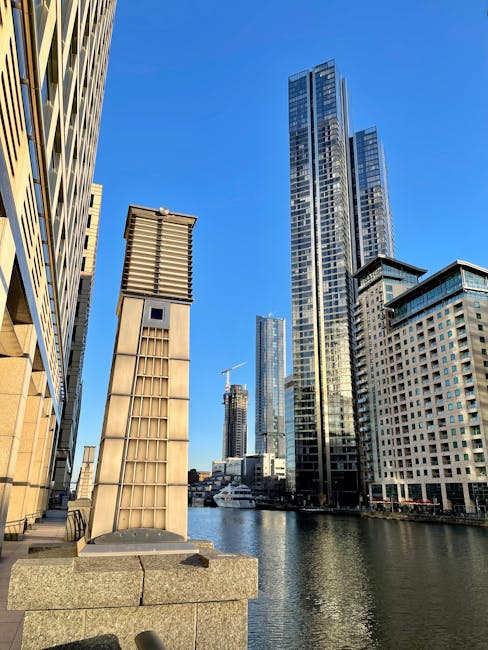
Canary Wharf is not just another London postcode. The mix of tall residential towers, managed estates, concierge-controlled entrances, timed lift bookings, and limited kerbside space changes the whole shape of a move. If you ignore those details, you can end up paying for extra time, waiting around in the lobby, or carrying items the long way through a building that feels like a maze on day one.
That matters for three reasons. First, high-rise moves are usually more schedule-sensitive than house moves. Second, the building rules can be stricter than people expect. Third, small mistakes stack up fast. A sofa that should have been dismantled. A van parked a bit too far away. A missing lift booking. Suddenly the day starts slipping.
In our experience, the people who do best are the ones who treat the move like a managed project, not just a van arriving at random. That does not mean becoming obsessive. It just means planning for the building you live in, not the building you wish you lived in.
For local context, it helps to understand the wider area too. If you are new to the neighbourhood or moving within Docklands, it can be useful to read resident advice on Docklands living and a look at Docklands history and modern character. The area has its own pace, and removals tend to reflect that pace. Fast, but organised. Or they should be, anyway.
How Canary Wharf removals insider tips for high rise flats E14 Works
High-rise removals in E14 usually follow a simple pattern on paper, but the execution is where the real skill shows. You confirm access with the building, plan the load order, decide what needs dismantling, and schedule the van so it arrives when the lift and lobby are actually usable.
The usual moving process looks like this:
- Check building rules, lift availability, and any booking requirements.
- Sort belongings by room and weight, then identify fragile, bulky, and valuable items.
- Pack early, label clearly, and keep essentials separate.
- Measure doors, corridors, lift interiors, and stair turns if there is any chance of a tight fit.
- Arrange parking access or a realistic drop-off point for the removal vehicle.
- Move the biggest items first, then work through the smaller loads in a steady order.
- Do a final sweep of cupboards, storage nooks, balcony items, and utility spaces.
That sounds basic, but the detail is in how you apply it. A high-rise flat move is often less about brute force and more about sequencing. For example, if you have a dining table that will not fit in the lift, it is better to dismantle it before the crew arrives rather than discovering that problem while the lobby is filling up with cardboard and somebody is trying to hold a lift door open with their shoulder. Nobody enjoys that scene.
It also helps to think in layers. First layer: access. Second layer: packing. Third layer: timing. Fourth layer: building etiquette. If those four are handled well, the move feels surprisingly calm. Not effortless, but calm enough.
Key Benefits and Practical Advantages
Good planning around Canary Wharf high-rise moves delivers more than convenience. It reduces friction at almost every stage.
- Less waiting time: booked lifts and realistic loading windows prevent long gaps where the team is standing around doing nothing.
- Lower risk of damage: padded corners, dismantled furniture, and clear pathways reduce knocks and scrapes in tight spaces.
- Better control of costs: a smooth move uses time efficiently, which matters if you are paying by the hour or working to a fixed schedule.
- Less stress with neighbours: fewer corridor blockages and less noise usually means a friendlier handover all round.
- Cleaner final inspection: if you leave the flat tidy and all items out on time, the checkout process tends to be easier.
There is also a less obvious benefit: confidence. When you know how the day will run, the move stops feeling like a gamble. And honestly, that matters a lot when you are juggling keys, cleaners, broadband handover, and the slightly awkward business of emptying a kitchen drawer you forgot existed until the very end.
If you are comparing moving support options, the page on services overview can help you understand the sort of help that is commonly available, while removal services in Docklands is useful if you want a broader view before deciding what level of support fits your move.
Who This Is For and When It Makes Sense
This advice is especially useful if you live in a tower block, apartment complex, or managed development in Canary Wharf or the wider E14 area. It suits:
- Tenants ending a lease and needing a clean, timed move-out.
- Homeowners moving within Docklands who want to avoid building delays.
- Professionals relocating for work and trying to keep the whole process efficient.
- People with bulky furniture, awkward wardrobes, or large-screen equipment.
- Anyone moving on a weekday with tight access windows or concierge rules.
It makes particular sense when your flat is above ground level and the building is managed. That is where the hidden delays often live. Not in the boxes themselves, but in the building's procedures. Have you ever tried to move a tall wardrobe through a lift that was clearly designed for people, not furniture? Exactly.
This is also relevant if you are moving a couple of floors up or down within the same development. People often assume an internal move is simpler, but it can still involve lift bookings, noise rules, and corridor protection. Sometimes it is actually more fiddly, because everyone thinks it should be easy.
Step-by-Step Guidance
1) Confirm the building rules first
Start by checking whether your building requires advance notice, a lift reservation, protective coverings, or security sign-in. Some developments are organised and clear. Others are a bit more old-school and rely on emails that get forwarded around at the last minute. Get the details early, not on moving day.
2) Measure the awkward items
Do not guess. Measure sofas, beds, wardrobes, mirrors, and large appliances. Then compare those measurements with door widths, hallway corners, and lift dimensions. If you have any doubt, dismantle the item in advance or ask the moving team to assess it before the day starts.
3) Pack for speed, not just safety
In flats, packing has to work for a controlled loading sequence. Use sturdy boxes, avoid overfilling them, and label each one by room and priority. Keep a separate bag for documents, chargers, keys, medication, and the kettle stuff you will want immediately. That bag saves a lot of muttering later.
4) Prepare the route inside the building
Before move day, clear the hallways, move shoes and plants out of the way, and protect corners if needed. If the route from the flat to the lift is narrow, remove anything that causes snagging. A clean route is one of the easiest ways to make the whole move feel smoother.
5) Plan the van position realistically
The building may be a few minutes' walk from where the van can stop. That is normal in Canary Wharf. Plan for that distance and think about trolleys or hand-carry runs if needed. The less you rely on hope, the better. Hope is lovely, but not especially load-bearing.
6) Load in the right order
Heavy and stable items go in first, then medium boxes, then lighter and fragile items. Keep frequently needed items visible and accessible. If you are moving into storage or splitting the move across locations, the load order becomes even more important.
7) Do a final flat check
Open every cupboard, check the balcony, inspect behind doors, and look in utility areas. High-rise flats often have clever little storage spaces, which is great until something gets left behind in one. Once the flat is empty, take quick photos if you need them for your records or checkout process.
Expert Tips for Better Results
Here is where the insider part really matters.
Book the lift with a buffer. If your move slot starts at 10:00, do not treat 10:00 as the moment everyone begins. Build in time for security sign-in, trolley collection, and the usual "just one more thing from the kitchen" moment.
Dismantle more than you think you need to. People often try to move furniture whole because it feels simpler. In tall buildings, simpler on paper can be harder in practice. Removing legs, headboards, and shelves can save a lot of grief.
Use consistent labels. "Kitchen" is not enough. Try "Kitchen - fragile glass" or "Bedroom 2 - bedding first." It speeds up unpacking and helps movers place boxes where they belong without guesswork.
Keep one box for overnight survival. Toothbrush, phone charger, basic toiletries, a mug, tea bags, and a change of clothes. That tiny box can feel like a miracle at 8 p.m. after a long day.
Talk to the building team early. Concierge and building management staff can be very helpful if they know what is happening. A polite heads-up often prevents little issues from becoming big ones.
Think about parking and unloading at both ends. E14 can be busy, and the best loading plan is not always the shortest route. Sometimes the best route is the one that avoids waiting, even if it means a few extra steps.
For anyone needing help with heavy items or awkward layouts, furniture removals in Docklands is a sensible place to look, and if you have a special item like a keyboard or upright piano, the page on piano removals is worth a read. Those objects do not forgive sloppy planning.

Common Mistakes to Avoid
- Leaving lift booking too late: this is one of the most common reasons a move slows down.
- Underestimating box weight: books, tools, and kitchenware can become painfully heavy in a small box.
- Forgetting balcony or storage items: outdoor chairs, planters, and storage cages are easily missed.
- Not checking building protection rules: some buildings expect floor runners or padding.
- Failing to prepare the new flat: if the destination is not ready, you create another bottleneck at the end of the day.
- Assuming the van can stop right outside: it often cannot, and that changes the whole timetable.
One mistake we see a lot is people packing each room beautifully but forgetting the route itself. A perfectly labelled box still has to pass through a lift, a corridor, a lobby, and maybe a loading bay. That physical path is the real battlefield, if we are being slightly dramatic about it. Which, to be fair, moving day sometimes is.
Tools, Resources and Recommendations
You do not need fancy gear, but the right basics help a lot.
- Strong boxes: use good-quality cartons rather than random supermarket boxes for mixed loads.
- Bubble wrap and paper: useful for glassware, lamps, frames, and anything with awkward edges.
- Furniture blankets: a must for protecting polished or delicate surfaces.
- Marker pens and labels: simple, cheap, and surprisingly powerful.
- Tape and a cutter: keep both close by, not buried in a box of winter scarves.
- Furniture tools: screwdrivers, Allen keys, and small bags for fixings.
- Protective wraps for floors and doors: useful where the building asks for extra care.
If you need packing support, the page on packing and boxes in Docklands is a practical starting point. For items you do not want to take immediately, storage in Docklands can help bridge the gap. That can be very useful if your move dates do not line up neatly, which happens more often than people like.
And if you want to understand the service set more broadly, the main removal services in Docklands page gives a helpful overview without overcomplicating things.
Law, Compliance, Standards, or Best Practice
High-rise removals in London are not usually governed by one single dramatic rulebook, but there are several practical standards and responsibilities worth keeping in mind. Building managers may require notice, booking forms, lift protection, and proof of insurance. It is also common for developments to set moving hours to reduce disturbance to residents.
From a safety point of view, the sensible approach is to follow the building's access rules, protect communal areas, and avoid blocking fire routes or shared entrances. That sounds obvious, yet on busy days obvious things get forgotten. The calmest removals are usually the ones where everyone behaves like the building still belongs to other people too, because it does.
If you are hiring help, ask about insurance, manual handling practices, and how fragile or bulky items are handled. A professional team should be able to explain their process clearly. You should not need to decode jargon like a puzzle.
For service-specific reassurance, it can be useful to review insurance and safety information, the health and safety policy, and the terms and conditions. If you are checking service fit and business background, about us is also worth a look. These pages help set expectations in a sensible, grounded way.
Options, Methods, or Comparison Table
There is no single best moving method for every Canary Wharf flat, but there is a best fit for your situation. Here is a simple comparison.
| Method | Best for | Strengths | Trade-offs |
|---|---|---|---|
| DIY move with hired van | Small loads, flexible timing | Lower direct cost, full control | More lifting, more coordination, higher risk of delays |
| Man and van support | Studio and one-bedroom flats | Handy for local moves, quicker loading | Less suitable for complex or heavy moves |
| Full removals team | Multi-room flats, bulky furniture | More efficient, better for tight access | Usually needs more planning and coordination |
| Short-term storage plus move | Gap between properties, downsizing | Reduces pressure on moving day | Two-stage process and extra handling |
If you are weighing up a simpler local move, man and van Docklands may suit a lighter load. For straightforward local transport, removal van support is another option to consider. For larger or more awkward jobs, many people prefer a proper team over a bare-bones van. Less faff, usually.
Case Study or Real-World Example
Here is a realistic example based on a very typical Canary Wharf move.
A couple were moving from a two-bedroom apartment on a mid-level floor in E14 to another flat in Docklands. On paper, the journey looked easy: a short local transfer, one van, no long-distance planning. But the details mattered. Their building required a lift booking, their sofa had to be dismantled to fit through the corridor, and the new property had a narrow entrance that made bulky items awkward.
What made the move work was the prep. They packed one room at a time, labelled everything clearly, kept bedding in a separate easy-grab box, and measured the furniture before moving day. They also told the concierge the likely arrival time and booked the lift with a 30-minute buffer. Not glamorous, but effective.
The moving team loaded the most awkward items first, protected the floor around both entryways, and used a trolley for the heavier boxes. The whole move still took energy, of course, but there was no chaos. No last-minute re-packing in the lobby. No awkward "I thought that would fit" moment. Just a steady, organised transfer and a much calmer afternoon.
That is the real lesson. In high-rise flats, the best move is usually the one that looks a little boring from the outside. Boring is good. Boring keeps the day on track.
Practical Checklist
Use this before moving day. Print it if you like, or just keep it on your phone.
- Confirm building access, lift booking, and moving hours.
- Check parking or drop-off arrangements at both addresses.
- Measure large furniture and lift access points.
- Dismantle items that will not fit safely as they are.
- Pack fragile items separately and label them clearly.
- Prepare an essentials box or bag for the first night.
- Protect communal areas if the building requires it.
- Tell concierge or building management your estimated arrival time.
- Keep keys, documents, chargers, and medication with you.
- Do a full final check of cupboards, balcony, storage, and utility spaces.
- Leave enough time for handover, photos, and any final cleaning.
Expert summary: in Canary Wharf, the move is won before the van arrives. If access, timing, and packing are sorted, everything else tends to behave itself. Not perfectly, but well enough to keep the day moving.
Get a free quote today and see how much you can save.
Conclusion
Canary Wharf removals in high-rise flats are all about preparation, timing, and understanding the building environment. Once you accept that a tower block move works differently from a house move, the whole job becomes much easier to manage. You plan the lift, respect the access rules, pack with purpose, and keep the flow steady.
The best insider tip is simple: do not leave the building details to chance. Ask questions early, measure what matters, and treat the route from flat to van as part of the job, not an afterthought. That one shift in mindset saves a surprising amount of stress.
If you are moving soon, stay organised, keep your sense of humour, and remember that even the busiest E14 move can go smoothly with the right preparation. One box at a time. You will get there.


 CALL US NOW


