Man with Van Docklands

Man with van Docklands services are a practical way to move furniture, boxed belongings and other household or business items with the right level of care for the job. We focus on straightforward transport support that suits local moves, single-item collections and planned removals where a smaller vehicle and a flexible loading approach are a better fit than a full-scale lorry. If you need careful handling, sensible space planning and clear communication, this is a useful place to begin.
Our service is centred on the moving task itself: loading, securing, carrying and delivering items efficiently while keeping the process organised. We can help with jobs that involve a few items or a fuller load, and we can also support customers who need a vehicle-only solution for items already packed and ready to go. If your move needs a quote, the next step is simple: compare the service pages that match your job and request pricing when you are ready.
For customers looking at different removal options, the practical difference often comes down to scale, access and how much help is needed on the day. A man and van arrangement is commonly chosen when you want a direct, flexible service for one address, several stops or a modest load that still deserves proper care. When the inventory is larger, a fuller home move or office move page may be more suitable. Pricing and quotes can help if you are comparing the likely cost factors before you decide how to proceed.
What the service covers
The service can cover household furniture, boxed goods, white goods, personal effects and other moveable items that need to be transported without fuss. It is useful for customers who want help with a single bulky item, a partial move or the contents of a room that has already been prepared. We can also support moves involving more than one collection point, provided the route and load are suitable. Furniture removals are often the closest match when the main concern is moving larger pieces safely.
Alongside transport, many jobs benefit from a little planning around access, lifting and protection. Narrow hallways, stairs, tight parking and awkward item shapes can all affect how the job is arranged, so it helps to describe those details clearly at the outset. Where packing support is needed, it may be useful to look at packing and unpacking services so the move is organised in a way that matches the amount of help you want.
When you are ready to get started, use the pages that best match your move and then ask for a quotation. Clear details make the estimate more useful, especially if the item list includes delicate, heavy or oversized belongings. A short description of the property type, access and destination is usually a good starting point. If you are moving a small load at short notice, same-day removals may also be worth reviewing.
Household moves and local transport

Many people use a man with van service for smaller home moves, student moves or deliveries between properties. The work may include loading from a flat, transporting a few rooms of furniture or moving items after a purchase or sale. It can be a practical choice when the job is too much for a car but does not call for a large removal team. Home moves provide a broader option when the transfer involves most of a household.
Smaller residential jobs still benefit from orderly preparation. Fragile items should be packed securely, drawers and doors should be checked, and loose pieces should be tied or wrapped so they travel safely. If you want a move that keeps the handling process calm and efficient, it helps to plan which items travel first and whether anything needs special protection. Flat removals are relevant where stair access, lifts or compact communal areas shape the way the move is carried out.
For students, short-term tenants and anyone relocating between nearby addresses, the appeal of this kind of service is often the balance between flexibility and control. You can keep the move focused on only the items you need to take, rather than arranging more transport than is necessary. If storage will form part of the plan, storage is available as a separate consideration alongside the move itself.
Furniture, bulky items and careful handling
Furniture transport needs more than simple lifting. Sofas, wardrobes, tables and beds often require safe manoeuvring through doorways, hallways and stairs, and the load on the vehicle needs to be positioned so that it stays stable in transit. We approach these jobs with attention to the shape, weight and finish of each item so the move is manageable and sensible. Furniture pick-up is useful when the main requirement is collection and delivery of one or more larger pieces.
Bulky or awkward items may need dismantling before they are moved, then reassembled at the destination if that is part of the agreed scope. If a piano or similarly sensitive item is involved, the moving method needs to be chosen with more care than an ordinary furniture load. Piano removals are a more specialised service for customers whose item requires a dedicated approach rather than a standard general move.
To help the day go smoothly, it is usually best to keep routes clear and ensure items are easy to identify before collection begins. This is especially useful if several pieces need to be moved from different rooms or if a delivery includes a mixture of packed boxes and loose furniture. Good preparation does not need to be complicated; it simply needs to support the work that is being done.
Office and business moves
Business customers may need a man with van arrangement for desks, chairs, archive boxes, stock or equipment that needs to be shifted between offices, storerooms or work sites. These moves often depend on timing, access and order of loading, because office items may need to be moved without disturbing the rest of the workplace more than necessary. Office removals are relevant when the move is broader and includes a more structured business relocation.
Smaller commercial transport can be useful where only part of a workspace is being moved or where equipment needs to be transferred after a refurbishment, relocation or clearance. The right setup depends on what is being moved and how quickly it needs to be available again at the destination. For fuller business relocation planning, office relocation services can provide the larger-scale option that sits alongside simpler vehicle-based transport.
When you request a quotation for business work, it helps to note item types, building access and any requirements for loading windows or collection times. That information supports a more accurate estimate and reduces the chance of confusion later. If you need a broader overview of the available moving choices, removal services is a useful page to compare the range of support.
Planning your move and choosing the right support

Choosing between a man and van, a larger removal service or a specialist item transfer usually comes down to the amount of support required. Some customers need a simple collection and delivery, while others need help loading, carrying, route planning and careful stacking. A clear list of what is moving will make the options easier to compare, especially if there are fragile items, awkward dimensions or a destination with limited access. Removals gives a wider entry point if you are still deciding on the type of service.
The move itself may be straightforward, but it still benefits from sensible organisation. Group the items that travel together, separate anything that needs wrapping and make sure pathways are usable before arrival. If you are preparing boxes as part of the job, packing and boxes can help you think through the materials and packing stage before collection day. Thoughtful packing supports safe transport and makes loading more efficient.
Customers often want a quotation that reflects the actual work rather than a generic estimate. To help with that, include the item count, floor levels, parking limitations and whether there will be help at either end. If the move is time-sensitive and you are comparing options quickly, it is sensible to review the most relevant pages first and then ask for pricing once the scope is clear. A brief, accurate description is usually better than a long one that omits key details.
Pricing, access and quotation factors
Prices for van-based moving work usually depend on the distance travelled, the number and type of items, access conditions and whether extra handling is needed. A ground-floor collection with easy parking is very different from carrying heavy furniture down several flights of stairs, so the quote needs to reflect the actual workload. Pricing and quotes is the best place to start when you want to understand what is likely to influence the estimate.
Sometimes the main cost factor is simply the shape of the job. A small, well-packed move can be completed in a more direct way, while an awkward collection may need more loading time or careful sequencing. If the move involves multiple stops, storage transfer or a mix of furniture and boxes, those details should be included from the beginning. Storage may also be relevant if part of the load needs to be kept separate during the move.
We aim to keep the quotation process practical and readable rather than overloaded with unnecessary questions. If you are comparing services, decide first whether you need only transport or whether packing, dismantling or handling of larger pieces should be included as well. Then ask for a quote that matches that scope. The most useful quotation is the one based on the real job, not an idealised version of it.
About Docklands
Docklands is a modern riverside district of east and south-east London that grew from former dockland, wharves and industrial land along the Thames. Its character is shaped by water, transport and regeneration, with major redevelopment taking place after the decline of the old docks in the twentieth century. The area now includes a mixture of residential towers, office buildings, shopping precincts and retained waterside spaces, all set around basins, marinas and stretches of river frontage. The Docklands name is often associated with Canary Wharf, South Quay, the Isle of Dogs and parts of the Isle of Dogs peninsula, although the wider district also reaches other former docklands sites nearby.
Historically, the area was part of London’s great port system, with docks such as West India, Millwall, India and Surrey serving shipping, storage and trade. When containerisation and modern freight patterns reduced the need for these enclosed docks, many sites were left derelict before large-scale redevelopment began in the late twentieth century. That change brought new transport links, new housing and a very different urban skyline, while traces of the older maritime landscape remain in basin shapes, street layouts and place names. Docklands also contains a number of cultural and civic landmarks, including museums, public squares and riverside walking routes that reflect the layered history of the district.
Green and open spaces add another dimension to the area. Island Gardens offers views across the Thames towards Greenwich, while the paths and waterside edges around the docks provide a strong sense of the neighbourhood’s relationship with the river. The architecture mixes restored warehouse structures, dock-related infrastructure and contemporary high-rise development, creating a landscape that is visually distinct within London. Docklands therefore combines a practical working past with a present-day identity defined by water, movement and regeneration.
How to prepare for collection or delivery

Good preparation helps a moving job stay organised from the start. If possible, separate what is definitely going and what is staying behind, and make sure there is a clear route through the property. Any loose fittings, cables or accessories should be grouped with the item they belong to, and fragile pieces should be packed in a way that protects corners and surfaces. Packing and unpacking services can support customers who want help with the pre-move and post-move stages.
It is also useful to think about access in practical terms. If parking is limited, if the route includes steps, or if there are building rules about loading, that information should be shared in advance so the move can be planned properly. This does not mean the process has to be complicated; it simply means the right details are available before the vehicle arrives. Access details, item sizes and timing all matter when planning a smooth collection.
If you are arranging a move involving one or two large items, a clear description of size and weight can be enough to begin. If the move is more substantial, a list of rooms or item groups may be more helpful. Either way, the aim is the same: to make the work manageable, safe and well matched to the service selected. When you are ready, contact us to request a quotation for the job.
When a smaller van-based move is the best fit
A smaller van-based move is often the right choice when the load is compact, the journey is local or the items need personal attention rather than a large-scale relocation setup. This can apply to single-room moves, appliance deliveries, marketplace purchases, furniture transfers and other jobs that are too substantial for ordinary transport but too modest for a major removal operation. man and a van is another way customers sometimes describe this kind of service.
There are also situations where flexibility is more important than size. If a customer needs a collection from one address and a delivery to another, with the option to include a second stop, the service can often be arranged around that route. If the work is largely about moving bulky pieces safely, the emphasis should stay on lifting method, packing protection and vehicle space planning rather than on unnecessary extras. moving truck is the alternative to consider when the load is much larger.
To help choose the best approach, think about the item list, the amount of carrying involved and whether the destination has straightforward access. The right service is not always the biggest one; it is the one that fits the job cleanly and avoids waste. That balance is usually what customers are looking for, especially when they want practical support without overcomplicating the move.
Requesting a quotation
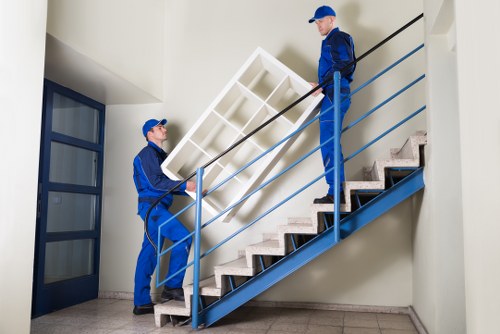
If you are comparing moving options in Docklands, the most helpful next step is to request a quotation based on the actual items and access arrangements. Mention what is being moved, where it is coming from, where it is going and whether any parts of the job need extra handling. That gives a better basis for planning than a general enquiry with no item details. Request a quotation here when you are ready to proceed.
It is also worth noting whether the job is a straightforward transport task or whether it needs collection support, dismantling, packing or a more considered approach to heavy pieces. The clearer the scope, the easier it is to match the right service page and arrange the work sensibly. For customers still comparing related options, commercial moves and student removals can help narrow the choice to the most suitable type of move.
We keep the final step simple: choose the page that best reflects your move, send the key details and ask for a price. Whether the job involves furniture, boxes, a flat, a business address or a one-off item, a focused quotation request is the most efficient way to begin. If your plans include recycling or disposal as part of the process, recycling and sustainability is available to review as a separate service consideration.