Recycling and Sustainability with Man With Van Docklands
 At Man With Van Docklands, sustainability is built into the way we move, load, sort, and dispose of unwanted items. Our approach to Docklands man and van recycling is designed to keep reusable materials in circulation for longer, reduce the volume sent to landfill, and support a cleaner local environment. Whether we are handling a full property clearance, a single bulky item, or mixed household waste, we aim to make each move as responsible as possible. Our recycling and sustainability approach focuses on practical actions: separating materials, identifying items for reuse, and using efficient routes that help lower emissions.
We work towards a recycling percentage target of 85% for suitable loads, meaning that the majority of the material we collect is diverted away from landfill through reuse, recycling, or recovery channels. This target guides how our team handles everything from cardboard and metals to furniture, textiles, small appliances, and office surplus. In busy urban areas like Docklands, where flats, offices, and developments generate a steady flow of mixed waste, a structured sorting process makes a measurable difference. The aim is not only to move items quickly, but to move them responsibly.
 A key part of our service is understanding how local boroughs manage waste separation. In the Docklands area, residents and businesses may need to split dry mixed recycling, food waste, general rubbish, and bulky items according to borough-specific rules. We reflect that approach in our collections by keeping recyclables separate wherever possible and by identifying materials that can be directed to the correct recovery stream. Light waste separation at source helps us reduce contamination, which is especially important for items such as paper, plastic packaging, scrap metal, and cardboard.
Local Transfer Stations and Responsible Sorting
 After collection, materials are taken through local transfer stations and approved recycling channels that support sorting and recovery. These facilities help ensure that collected waste is weighed, separated, and routed to the most appropriate destination. For Docklands recycling services, this step is essential because loads can contain a mix of reusable furniture, recyclable packaging, green waste, and general disposal items. By using transfer stations close to our operating area, we reduce unnecessary travel distance and improve the efficiency of every job.
At these stations, different waste streams can be split into categories such as metals, wood, plastics, electrical items, and residual waste. This is particularly useful for commercial clearances, where old desks, shelving, filing systems, and packaging materials may all need different handling. Our team’s focus is to make sure the collection process supports the boroughs’ wider recycling goals, rather than undermining them through mixed disposal. In this way, man with van Docklands work becomes part of a broader circular economy.
We also pay attention to items that can be reused before they are recycled. If furniture, homeware, or office equipment is still in good condition, it may be separated for charity donation or resale rather than being broken down immediately. This step helps extend the life of useful goods and can reduce the amount of material requiring processing at a transfer station. It is a simple but effective method of adding sustainability to everyday removals.
Charity Partnerships and Reuse First Thinking
Our sustainability policy includes partnerships with local charities and community organisations that help keep usable items in circulation. When appropriate, we identify items that can be passed on to donation channels, such as sofas, tables, chairs, bookshelves, kitchenware, and household accessories. Supporting charity partnerships is a practical way to reduce waste and help people in need at the same time. For many customers, knowing that their unwanted items may benefit a local cause adds real value to the removal process.
We apply a reuse-first mindset wherever possible. If something can be repaired, cleaned, or repurposed, we consider that option before recycling or disposal. This is especially relevant for Docklands properties where modern furnishings and office fit-outs are often replaced during upgrades or relocations. Items in good condition can have a second life through charitable redistribution, while damaged or obsolete materials are directed into the correct recycling stream. This balanced approach helps make recycling with Man With Van Docklands more effective and more socially useful.
Our team also recognises the importance of responsible handling for specialist items. Electrical goods, metal fixtures, and mixed office waste all need careful sorting to avoid contamination and to maximise recovery. Working with charities and approved processors gives us more opportunities to keep materials useful for longer and to ensure that only true residual waste is disposed of as a last resort. This is a key part of our commitment to sustainable moving in Docklands.
Low-Carbon Vans and Efficient Route Planning
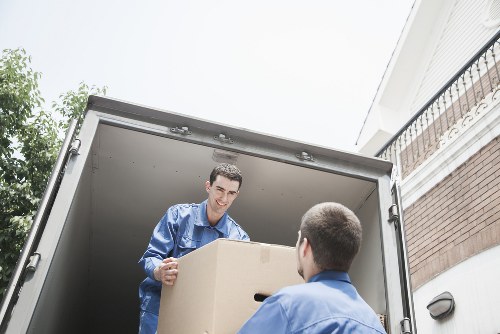 One of the most visible parts of our environmental commitment is our fleet of low-carbon vans. We prioritise vehicles that are more fuel-efficient and produce fewer emissions than older alternatives, helping reduce the carbon footprint of each collection. In a dense area like Docklands, efficient vehicles are especially important because the combination of traffic, loading restrictions, and short urban journeys can quickly increase emissions if operations are not well planned.
We complement our vehicle choices with smart route planning. By grouping collections sensibly and choosing the most direct practical routes, we reduce wasted mileage and idling time. This matters for both residential and commercial work, where the difference between a poorly organised schedule and a well-planned one can be significant. Lower emissions, less fuel use, and faster turnaround all support the wider sustainability goals of Docklands man with van services.
 Our long-term aim is to keep improving the environmental performance of every move we make. That includes reviewing our recycling percentage target, strengthening charity partnerships, and increasing the proportion of collections sent through low-carbon, high-efficiency routes. We also continue to encourage better separation of waste at the point of collection, because cleaner sorting leads to better recycling outcomes. In an area where borough-level waste systems already place value on separating recyclables from general rubbish, our role is to reinforce that good practice.
A Cleaner Future for Docklands
Recycling and sustainability are not side issues for us; they are part of the core service. From local transfer stations to charity reuse and low-carbon vans, every stage of the process is designed to reduce waste and improve outcomes. By combining practical collection methods with a strong environmental focus, Man With Van Docklands helps customers clear spaces responsibly while supporting the wider goals of the local community.
As Docklands continues to evolve, so does the need for reliable, forward-thinking waste handling. Whether the job involves a home, office, or mixed-load clearance, our commitment remains the same: maximise reuse, recover recyclable material, and keep emissions as low as possible. That is what sustainable moving should look like in a modern borough.